As a business owner or facility manager, your HVAC (Heating, Ventilation, and Air Conditioning) system is likely one of the largest consumers of energy in your building. When a system isn’t running at peak efficiency, it doesn’t just affect the comfort of your occupants—it directly eats into your bottom line.
Rising energy costs and unexpected repair bills can be a nightmare for any operational budget. However, most expensive HVAC failures are preventable. By implementing a proactive strategy, you can extend the lifespan of your equipment and keep your utility bills in check.
In this guide, we’ve compiled the Top 10 HVAC Maintenance Tips to help you reduce operational costs and ensure your system runs smoothly year-round.
1. Change Air Filters Regularly
This is the simplest yet most effective tip on this list. Air filters trap dust, allergens, and debris. Over time, these filters become clogged, forcing your HVAC system to work much harder to pull air through the building. This increased resistance leads to higher energy consumption and premature wear on the motor.
Pro Tip: Check your filters once a month and replace them at least every 90 days—or more frequently in high-traffic commercial environments.
2. Schedule Professional Bi-Annual Tune-Ups
Think of your HVAC system like a car; it needs a professional “oil change” to stay efficient. Scheduling a professional technician to visit in the spring (for AC) and the fall (for heating) ensures that every component is inspected, lubricated, and calibrated. Identifying a small leak or a worn belt during a routine check can save you thousands of dollars in emergency repairs later.
3. Keep Outdoor Units Clear of Debris
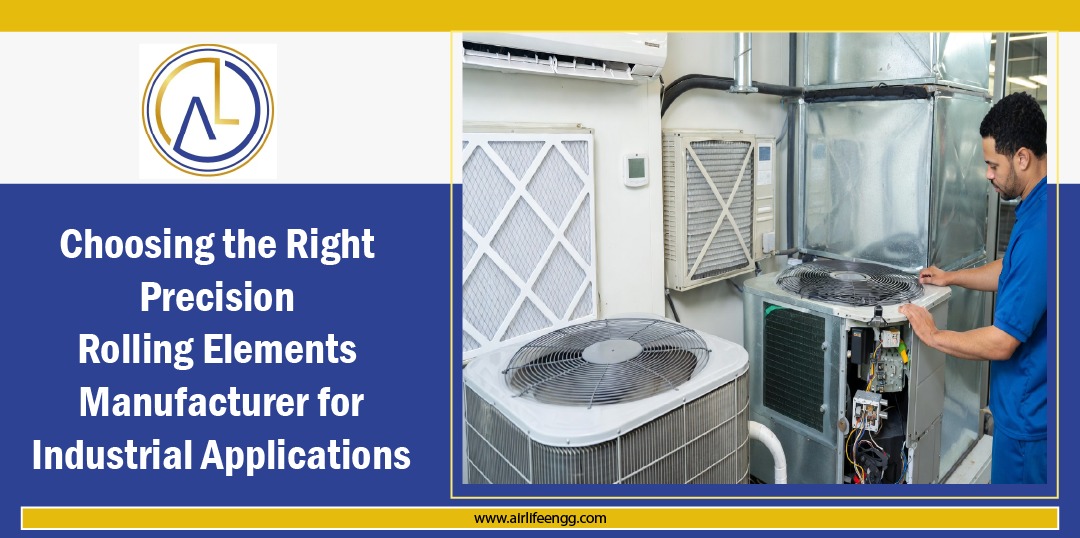
Your outdoor condenser unit needs “breathing room” to dissipate heat effectively. If it’s surrounded by tall grass, fallen leaves, or stored equipment, the system will overheat and lose efficiency.
Pro Tip: Maintain at least a two-foot clearance around your outdoor units. Periodically spray the coils with a garden hose to remove built-up dirt and grime that limits heat transfer.
4. Invest in a Programmable or Smart Thermostat
Manually adjusting the thermostat is often inefficient. Smart thermostats allow you to set schedules that reduce heating or cooling when the building is unoccupied. Modern automation is the leading way to cut operational costs. By optimizing your temperature settings based on occupancy, you can reduce energy waste by up to 10% annually.
5. Inspect and Seal Ductwork
Even a high-performance HVAC unit will drain your budget if the treated air escapes through gaps in your infrastructure. Industry data suggests that the typical commercial facility loses nearly one-fifth of its heated or cooled air because of compromised ductwork and loose joints. By professionally sealing these leaks with specialized duct mastic or foil tape, you ensure that the energy you pay for actually reaches the rooms where it’s needed, rather than being wasted in crawlspaces or wall cavities.
6. Clean the Evaporator and Condenser Coils
Dirty coils act as insulation, preventing the system from absorbing or releasing heat. This causes the compressor to run longer and hotter, which significantly increases energy bills and shortens the system’s life. Regular cleaning of these coils is one of the most vital Top 10 HVAC Maintenance Tips for high-usage environments like those serviced by Air Life Engineering.
7. Check the Condensate Drain Line
Your HVAC system does more than regulate temperature; it actively manages indoor humidity levels. As the system pulls moisture from the air, the resulting condensation must flow out through a dedicated drain line. If this path becomes obstructed by algae buildup or accumulated debris, it can trigger a backup that results in structural water damage, hazardous mold development, and automatic system failures. Regularly clearing the line—often with a simple vinegar solution—prevents these messy and expensive complications before they start.
8. Lubricate Moving Parts
Friction is the enemy of efficiency. Motors, fans, and bearings that aren’t properly lubricated require more electricity to spin. Over time, friction leads to overheating and mechanical failure. During your seasonal maintenance, ensure that all moving parts are greased according to the manufacturer’s specifications to keep the system running quietly and cheaply.
9. Inspect Electrical Connections and Voltage
Loose electrical connections can be a fire hazard and can cause the system to operate erratically. High voltage fluctuations can also damage sensitive internal components. A professional technician should check all wiring and measure the voltage and current on motors to ensure they are within the safe operating range.
10. Don’t Ignore “Small” Noises or Smells
If your system starts making a rattling, squealing, or grinding noise, it’s trying to tell you something. Ignoring these minor signs usually leads to a total system failure. By addressing unusual sounds or odors immediately, you prevent a “domino effect” where one failing part destroys several others.
Conclusion:
Implementing a proactive maintenance strategy is the most effective way to safeguard your facility’s comfort while shielding your budget from skyrocketing energy bills and preventable repair costs. By staying diligent with simple tasks like filter changes and partnering with professionals for technical calibrations, you ensure your system operates at peak efficiency for years to come. At Air Life Engineering, we specialize in high-performance HVAC solutions designed to keep your operational costs low and your air quality high. Visit Air Life Engineering today to schedule your professional consultation and let our experts optimize your system for maximum savings and reliability.